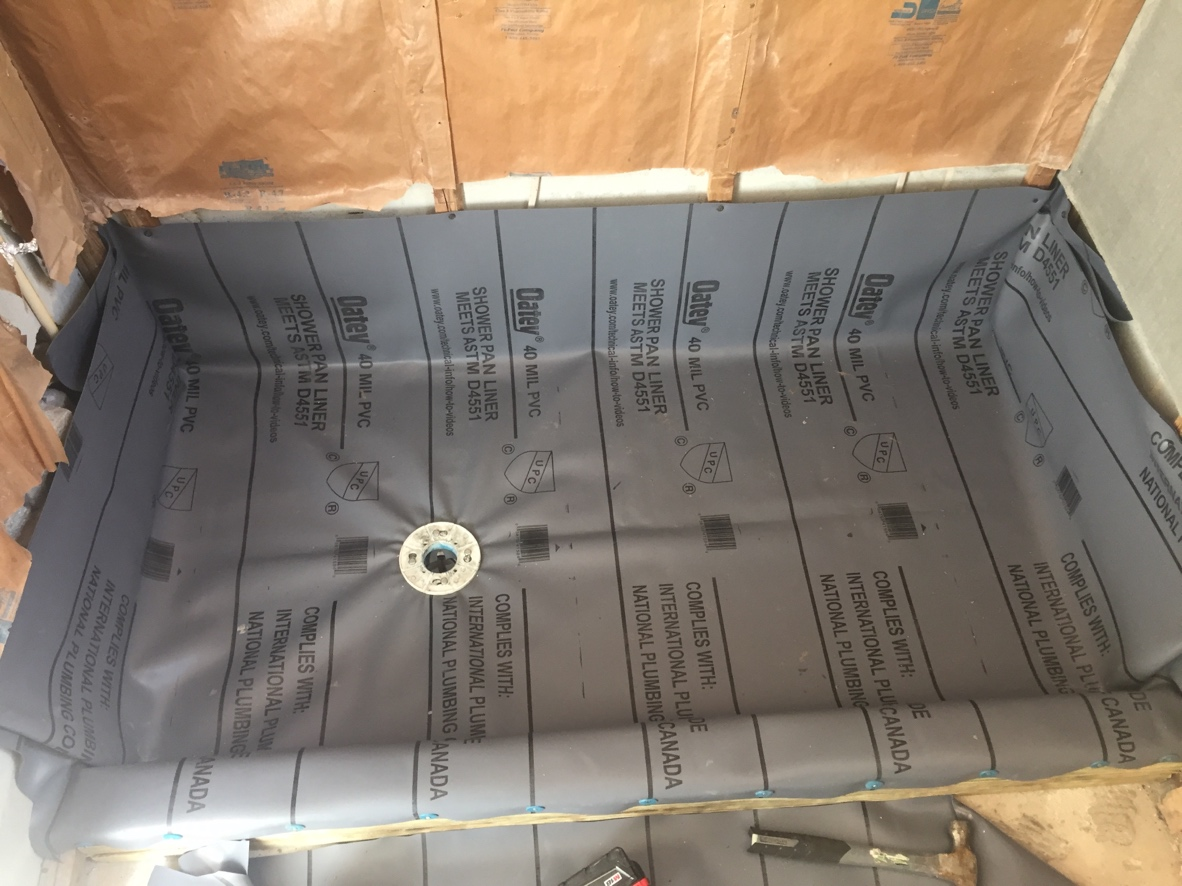
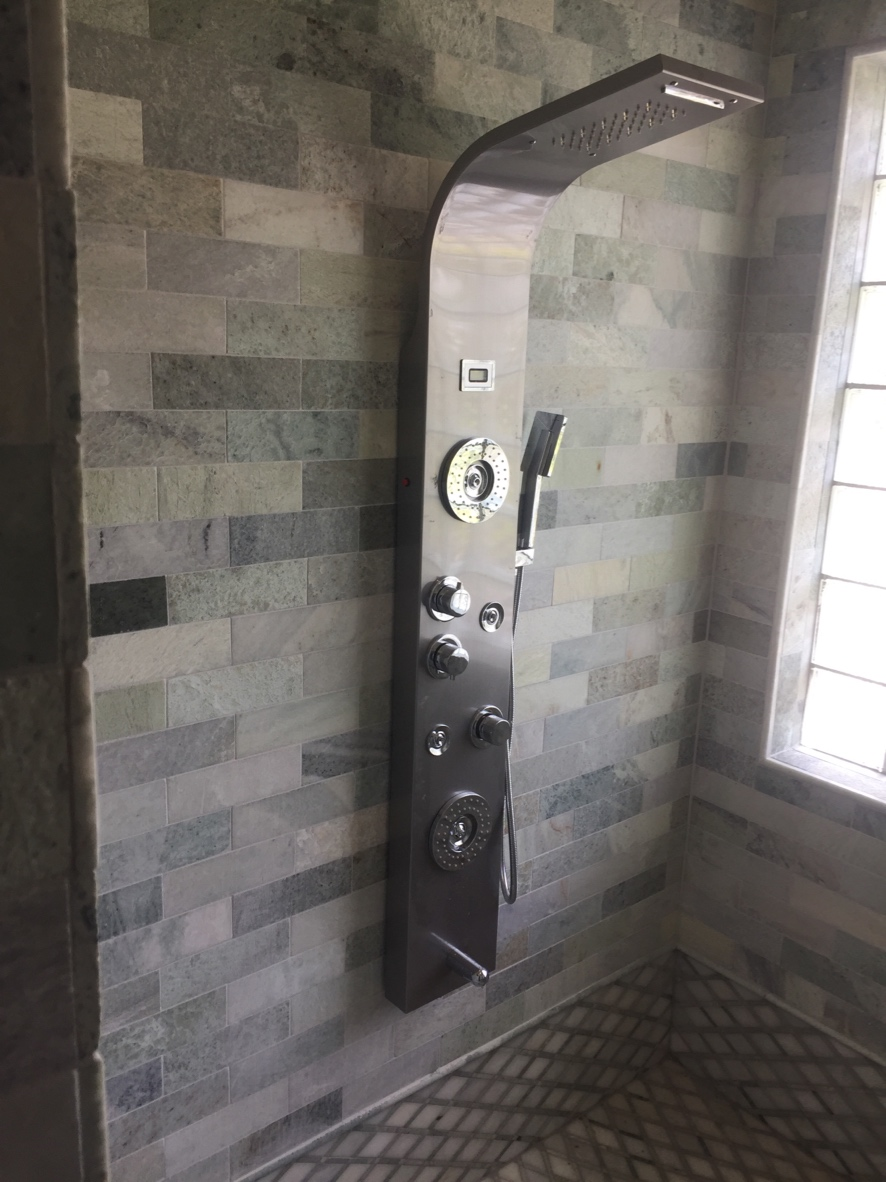
What shower pan replacement actually involves
Most homeowners only think about shower pan replacement when something has already gone wrong, so the first thing our technician does is slow the visit down and look at the whole system rather than the single symptom in front of us. A dripping fixture, a slow drain or a cold shower is rarely an isolated event. It is usually the visible end of a chain that starts somewhere else: water chemistry, pipe age, undersized fittings, a previous repair done with the wrong material, or a pressure problem that has been quietly stressing every joint in the house.
A proper shower pan replacement visit follows a fixed sequence. We confirm the complaint with you, isolate the affected section, test static and working water pressure, inspect the accessible pipe runs and connections, and only then form an opinion about the cause. Where the problem is hidden behind tile, drywall or a slab, we use camera inspection, acoustic listening equipment or thermal imaging before opening anything up. Cutting first and diagnosing second is how small jobs turn into large ones, and it is the single most common reason a customer calls us for a second opinion.
Why Central Florida plumbing behaves differently
Our water comes out of the Floridan aquifer, which sits in limestone. That gives Orlando, Sanford, Oviedo, Kissimmee and the surrounding cities water that is naturally hard, typically in the 8 to 14 grains per gallon range, with a high dissolved mineral load. Hardness is not a health problem, but it is a mechanical one. Calcium and magnesium precipitate out of the water every time it is heated or forced through a restriction, and the resulting scale narrows supply lines, coats heating elements, seizes cartridge valves and shortens the working life of nearly every fixture in the house.
The second regional factor is construction style. The overwhelming majority of homes here are single-storey slab-on-grade, so supply lines run inside or beneath the concrete rather than in a basement where they can be seen. Leaks stay hidden until they show up as a warm floor, an unexplained water bill, a musty smell or a hairline crack in the tile. Add a high water table, sandy soil that shifts after heavy rain, and a hurricane season that regularly drops municipal pressure, and you get a set of failure patterns that national plumbing advice simply does not describe.
Warning signs worth acting on early
The cheapest plumbing repair is almost always the one done before the failure. Watch your water bill first: a jump of more than about fifteen percent with no change in household routine is the clearest early signal there is, because water that is not coming out of a fixture is going somewhere it should not be. Then listen. Running water when everything is off, a hiss behind a wall, hammering when a valve closes and gurgling in a drain when a different fixture is used are all mechanical symptoms with specific causes, not background noise.
Look for slow changes too. Pressure that has faded gradually over two or three years usually means scale or a failing pressure regulator rather than a municipal problem. Water that runs cloudy or rusty on first draw points at the water heater or a galvanised section left over from an older installation. Fixtures that drip within months of a new cartridge suggest pressure above the 80 psi code limit. Any of these justify a call, and catching them at this stage typically costs a fraction of what an emergency visit costs after a line lets go.
Repair or replace: how we make the call
We give you the honest arithmetic rather than a default recommendation. Repair makes sense when the failure is localised, the surrounding material is sound, and the component has meaningful service life left. Replacement makes sense when the same fixture or line has failed more than once, when the repair cost passes roughly half the replacement cost, when parts are obsolete, or when the existing installation does not meet current Florida Building Code and would have to be brought up to standard during any future work anyway.
Age matters, but it is not the whole story. A fifteen-year-old water heater in a home with softened water may have years left, while an eight-year-old unit fed with untreated hard water and no working anode rod may already be scaled beyond recovery. Copper supply lines that have developed one pinhole leak will typically develop more, because the underlying cause is water chemistry or velocity, not bad luck. Where that pattern is present we will say so plainly, and we will price both the spot repair and the re-pipe so you can decide with real numbers in front of you.
What the work costs and how we price it
Every job is quoted flat rate in writing before we start. You approve a number, not an hourly meter, so a difficult access point or an unexpected fitting is our problem rather than a line item added to your invoice. A diagnostic service call fee applies to the initial visit, which covers the technician's time, travel and the equipment used to identify the fault, and that fee is credited against the work when you proceed with the recommended repair on the same visit.
Three things move the price on shower pan replacement: access, materials and code. Access is usually the largest variable, because reaching a line inside a slab, above a finished ceiling or behind a tiled wall takes longer than reaching one in an open utility space. Materials vary with the specification you choose, and we will explain the practical difference rather than simply quoting the most expensive option. Code compliance is not optional; if the existing installation is not permitted or not to standard, we will tell you before the quote rather than after the work has started.
How to keep the problem from coming back
Maintenance in this climate is mostly about managing minerals and pressure. Flush the water heater annually to clear the sediment layer that forms at the bottom of the tank, check the anode rod every two to three years, and consider a softener or conditioner if the household has already replaced fixtures or heating elements early. Test static pressure once a year with an inexpensive gauge on a hose bib; anything consistently over 80 psi is shortening the life of every appliance and connection in the house and should be corrected with a regulator.
On the drainage side, keep grease, coffee grounds, fibrous vegetable waste and so-called flushable wipes out of the system entirely, because all four are the leading causes of the blockages we clear. Run water through rarely used fixtures monthly so traps do not dry out and let sewer gas into the room. If the home is older than about forty years and still has original cast iron drain lines, a single camera inspection now tells you whether you are on a maintenance schedule or a replacement timeline, and that is useful information either way.
Emergencies: what to do in the first five minutes
If water is actively escaping, shut it off before you call anyone. The main shutoff is usually at the meter box near the street or on the exterior wall on the supply side of the house; every adult in the household should know where it is and be able to find it in the dark. For a single fixture, the local angle stop under the sink or behind the toilet is faster. For a water heater failure, close the cold inlet valve at the top of the tank and switch off the breaker or gas control before anything else.
Once the water is off, move what you can out of the affected area and start air movement, because in Florida humidity mould can establish within roughly twenty-four to forty-eight hours on wet drywall and carpet. Photograph everything before cleanup for your insurer. Then call 407-359-7636. We run genuine round-the-clock emergency dispatch across Central Florida, and the technician who arrives will stabilise the situation first and quote the permanent repair second, so you are not making a large financial decision at two in the morning.
Working with a licensed contractor
Plumbing in Florida is licensed work, and for good reason: it sits directly on top of the potable water supply and the sanitary drainage system, where a bad installation can cause illness rather than inconvenience. Sam T's Plumbing & Sewer LLC holds Florida State Certified Plumbing Contractor license CFC#045198 and carries full liability and workers' compensation coverage. Ask any contractor for both before work starts, and verify the number, because an uninsured injury or an unpermitted installation on your property becomes your liability rather than theirs.
The other thing to insist on is documentation. You should receive a written scope, a flat-rate price, the make and model of anything installed, permit information where the work requires it, and a warranty in writing. Our labour is warranted for one year and manufacturer warranties on parts are registered in your name. After more than forty years working the same set of Central Florida neighbourhoods, our reputation is worth considerably more to us than any single invoice, and that is the practical reason the paperwork is thorough.