What water leak detection & repair actually involves
Most homeowners only think about water leak detection & repair when something has already gone wrong, so the first thing our technician does is slow the visit down and look at the whole system rather than the single symptom in front of us. A dripping fixture, a slow drain or a cold shower is rarely an isolated event. It is usually the visible end of a chain that starts somewhere else: water chemistry, pipe age, undersized fittings, a previous repair done with the wrong material, or a pressure problem that has been quietly stressing every joint in the house.
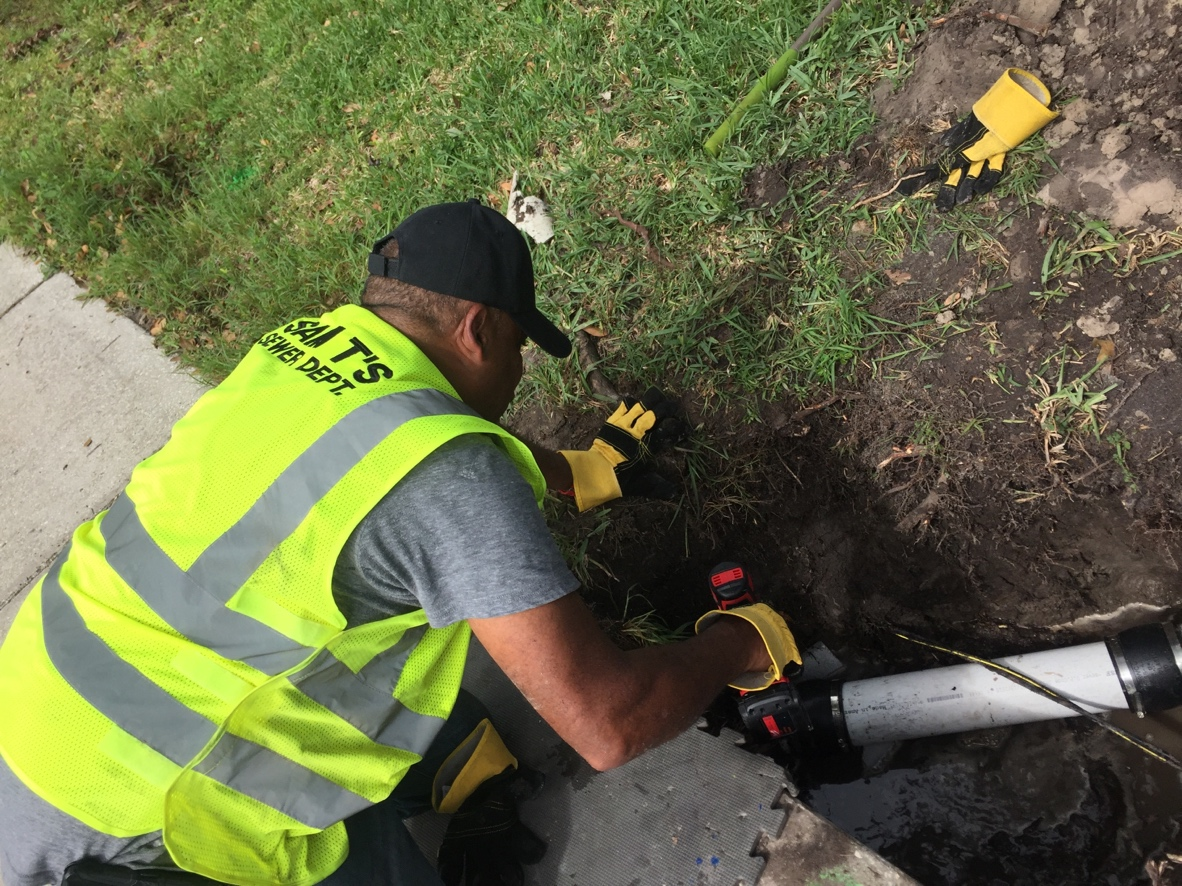
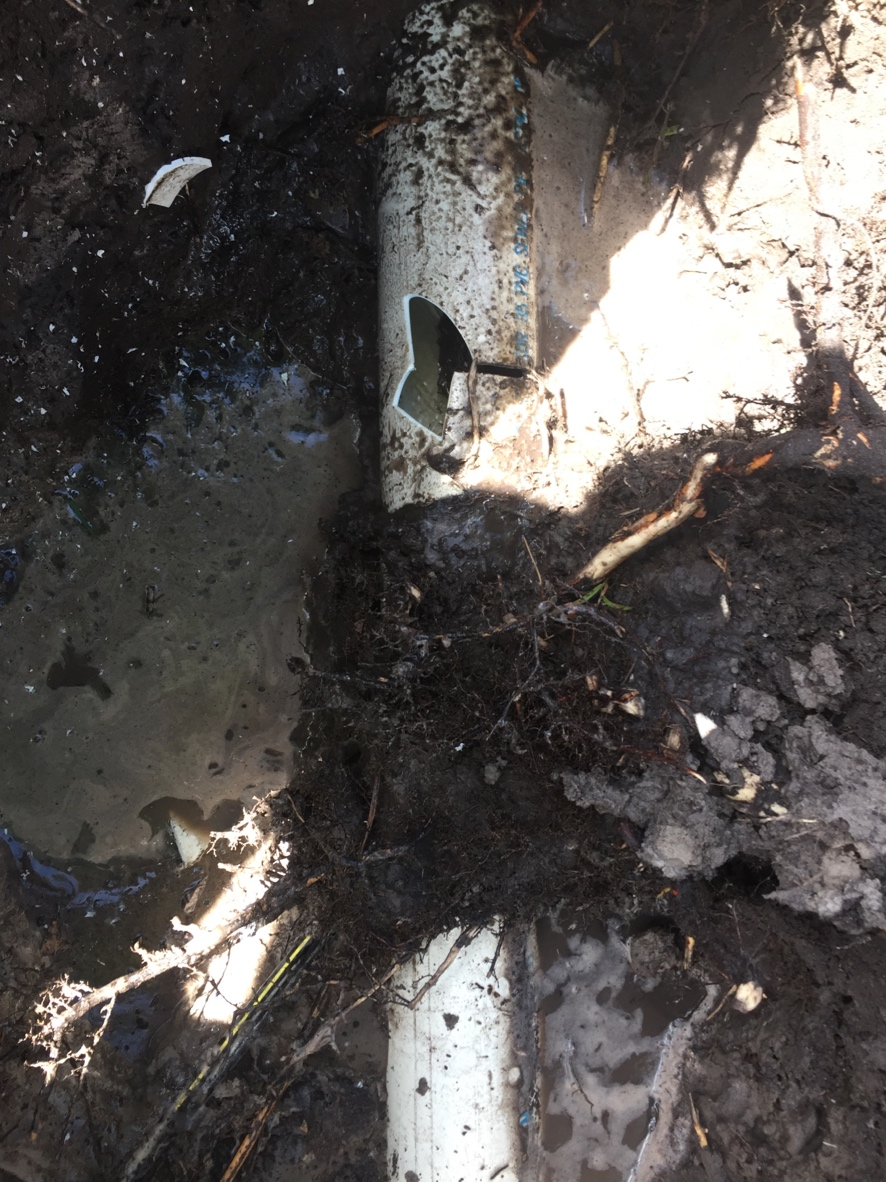
A proper water leak detection & repair visit follows a fixed sequence. We confirm the complaint with you, isolate the affected section, test static and working water pressure, inspect the accessible pipe runs and connections, and only then form an opinion about the cause. Where the problem is hidden behind tile, drywall or a slab, we use camera inspection, acoustic listening equipment or thermal imaging before opening anything up. Cutting first and diagnosing second is how small jobs turn into large ones, and it is the single most common reason a customer calls us for a second opinion.
Why Central Florida plumbing behaves differently
Our water comes out of the Floridan aquifer, which sits in limestone. That gives Orlando, Sanford, Oviedo, Kissimmee and the surrounding cities water that is naturally hard, typically in the 8 to 14 grains per gallon range, with a high dissolved mineral load. Hardness is not a health problem, but it is a mechanical one. Calcium and magnesium precipitate out of the water every time it is heated or forced through a restriction, and the resulting scale narrows supply lines, coats heating elements, seizes cartridge valves and shortens the working life of nearly every fixture in the house.
The second regional factor is construction style. The overwhelming majority of homes here are single-storey slab-on-grade, so supply lines run inside or beneath the concrete rather than in a basement where they can be seen. Leaks stay hidden until they show up as a warm floor, an unexplained water bill, a musty smell or a hairline crack in the tile. Add a high water table, sandy soil that shifts after heavy rain, and a hurricane season that regularly drops municipal pressure, and you get a set of failure patterns that national plumbing advice simply does not describe.
Warning signs worth acting on early
The cheapest plumbing repair is almost always the one done before the failure. Watch your water bill first: a jump of more than about fifteen percent with no change in household routine is the clearest early signal there is, because water that is not coming out of a fixture is going somewhere it should not be. Then listen. Running water when everything is off, a hiss behind a wall, hammering when a valve closes and gurgling in a drain when a different fixture is used are all mechanical symptoms with specific causes, not background noise.
Look for slow changes too. Pressure that has faded gradually over two or three years usually means scale or a failing pressure regulator rather than a municipal problem. Water that runs cloudy or rusty on first draw points at the water heater or a galvanised section left over from an older installation. Fixtures that drip within months of a new cartridge suggest pressure above the 80 psi code limit. Any of these justify a call, and catching them at this stage typically costs a fraction of what an emergency visit costs after a line lets go.
Repair or replace: how we make the call
We give you the honest arithmetic rather than a default recommendation. Repair makes sense when the failure is localised, the surrounding material is sound, and the component has meaningful service life left. Replacement makes sense when the same fixture or line has failed more than once, when the repair cost passes roughly half the replacement cost, when parts are obsolete, or when the existing installation does not meet current Florida Building Code and would have to be brought up to standard during any future work anyway.
Age matters, but it is not the whole story. A fifteen-year-old water heater in a home with softened water may have years left, while an eight-year-old unit fed with untreated hard water and no working anode rod may already be scaled beyond recovery. Copper supply lines that have developed one pinhole leak will typically develop more, because the underlying cause is water chemistry or velocity, not bad luck. Where that pattern is present we will say so plainly, and we will price both the spot repair and the re-pipe so you can decide with real numbers in front of you.
What the work costs and how we price it
Every job is quoted flat rate in writing before we start. You approve a number, not an hourly meter, so a difficult access point or an unexpected fitting is our problem rather than a line item added to your invoice. A diagnostic service call fee applies to the initial visit, which covers the technician's time, travel and the equipment used to identify the fault, and that fee is credited against the work when you proceed with the recommended repair on the same visit.
Three things move the price on water leak detection & repair: access, materials and code. Access is usually the largest variable, because reaching a line inside a slab, above a finished ceiling or behind a tiled wall takes longer than reaching one in an open utility space. Materials vary with the specification you choose, and we will explain the practical difference rather than simply quoting the most expensive option. Code compliance is not optional; if the existing installation is not permitted or not to standard, we will tell you before the quote rather than after the work has started.
Plumbing in St. Cloud: what makes the local housing stock different
St. Cloud is not one uniform housing market, and the plumbing inside a home here depends almost entirely on when it was built. Properties from the 1950s through the early 1970s were plumbed in galvanised steel supply and cast iron drainage, both of which are now well past their design life. Homes from the late 1970s to the early 1990s are typically copper supply on a concrete slab, which is where most of our slab leak work comes from. Anything built after the mid 1990s is usually CPVC or PEX, which behaves better but is not immune to fitting failure and UV damage in exposed runs.
Knowing the build era tells us what to look for before we arrive. A 1965 St. Cloud home with original drainage is a camera inspection first and a repair second, because the odds of a cracked or bellied cast iron line are high enough that clearing the blockage alone would be treating a symptom. A 1985 slab home with a warm spot on the floor and a spinning meter is a slab leak until proven otherwise. A 2005 home with sudden pressure loss is more often a failed regulator or a scaled fixture than a pipe fault. That context saves diagnostic time and saves you money.
Water quality and its effect on St. Cloud homes
Water throughout this part of Central Florida is drawn from the Floridan aquifer and passes through limestone on the way, which makes it consistently hard and mineral heavy. In practical terms, that means scale. It builds on heating elements inside water heaters and reduces their efficiency long before they fail outright, it collects in faucet aerators and shower heads and mimics a pressure problem, it seizes the ceramic cartridges inside mixing valves, and it leaves the white crusting on fixtures that most St. Cloud homeowners have simply learned to live with.
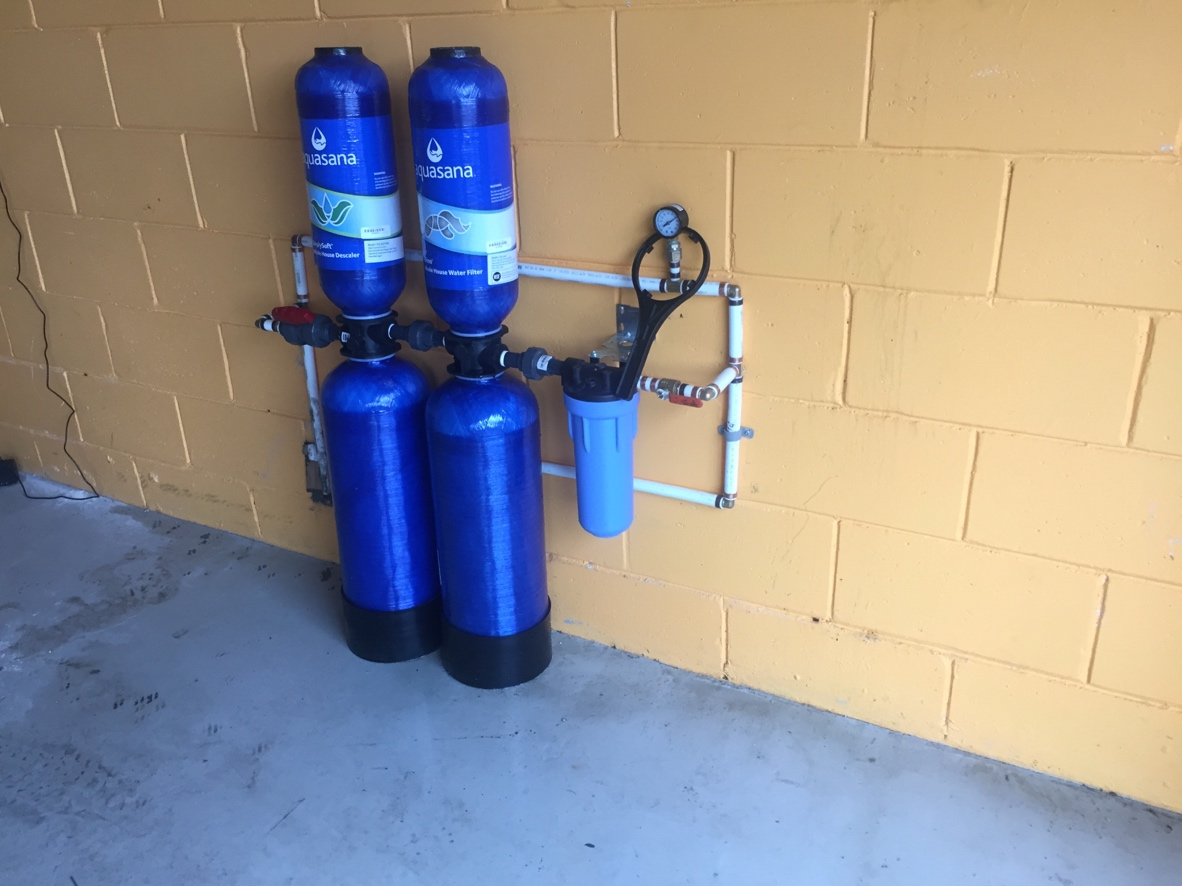
Sulphur content in some parts of the county adds a rotten egg smell, which is usually bacteria interacting with the magnesium anode rod inside the water heater rather than a problem with the municipal supply, and it is normally solved by switching to an aluminium or powered anode instead of replacing the tank. If you have already replaced fixtures, cartridges or a heater earlier than expected, whole-home treatment usually pays for itself over the life of the next appliance set. We will tell you honestly whether your household's usage justifies it rather than selling equipment by default.
Storm season, flooding and drainage in St. Cloud
Hurricane season runs from June through November, and its plumbing effects in St. Cloud are predictable enough to prepare for. Heavy rainfall raises an already high water table, which pushes groundwater into any compromised drainage line and can overwhelm municipal sewer capacity, producing backups in the lowest fixtures in the house first, typically a ground-floor shower or a garage utility sink. Homes with a history of that pattern benefit from a backwater valve, which is far cheaper installed on a dry afternoon than after a sewage cleanup.
Pressure loss during a storm event is the other risk. When municipal pressure drops, water can siphon backwards, and irrigation systems, pool fills and hose connections are the usual paths for contaminated water to reach potable lines. Backflow preventer testing is an annual requirement for many St. Cloud properties and a sensible precaution for the rest. Before a named storm arrives, fill containers for drinking water, know where your main shutoff is, and if you are evacuating, shut the main off entirely so an unattended failure does not run for days.